The Best Sunglasses for Summer 2026: Styles, UV Protection, and Prescription Options
Summer 2026 means longer days, stronger UV exposure, and more reasons to get the right pair of sunglasses. Whether you are after a style upgrade, clearer answers on lens technology, or a prescription option that works outdoors, this guide covers what you need to choose well.
Why Do Sunglasses Matter More in Summer?
UV radiation peaks between May and August, and cumulative exposure over years is directly linked to cataracts, macular degeneration, and photokeratitis.
Sunglasses are not optional in summer.
The summer case is specific. The sun sits higher in the sky from May through August, which means UV rays strike the eye more directly than in other seasons. Time spent outdoors at the beach, on the water, or driving compounds that exposure fast.
A quality pair with certified UV protection is one of the simplest tools available for long-term eye health.
What Sunglasses Styles Are Trending in 2026?
The strongest trends this summer lean toward contrast: oversized silhouettes paired with minimal hardware, and retro shapes updated with contemporary lens tints.
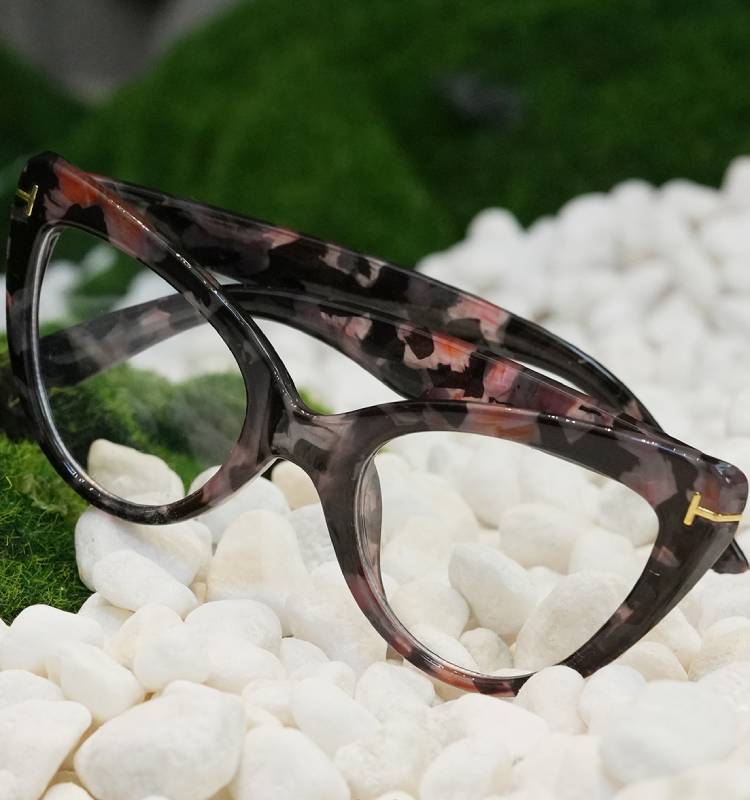
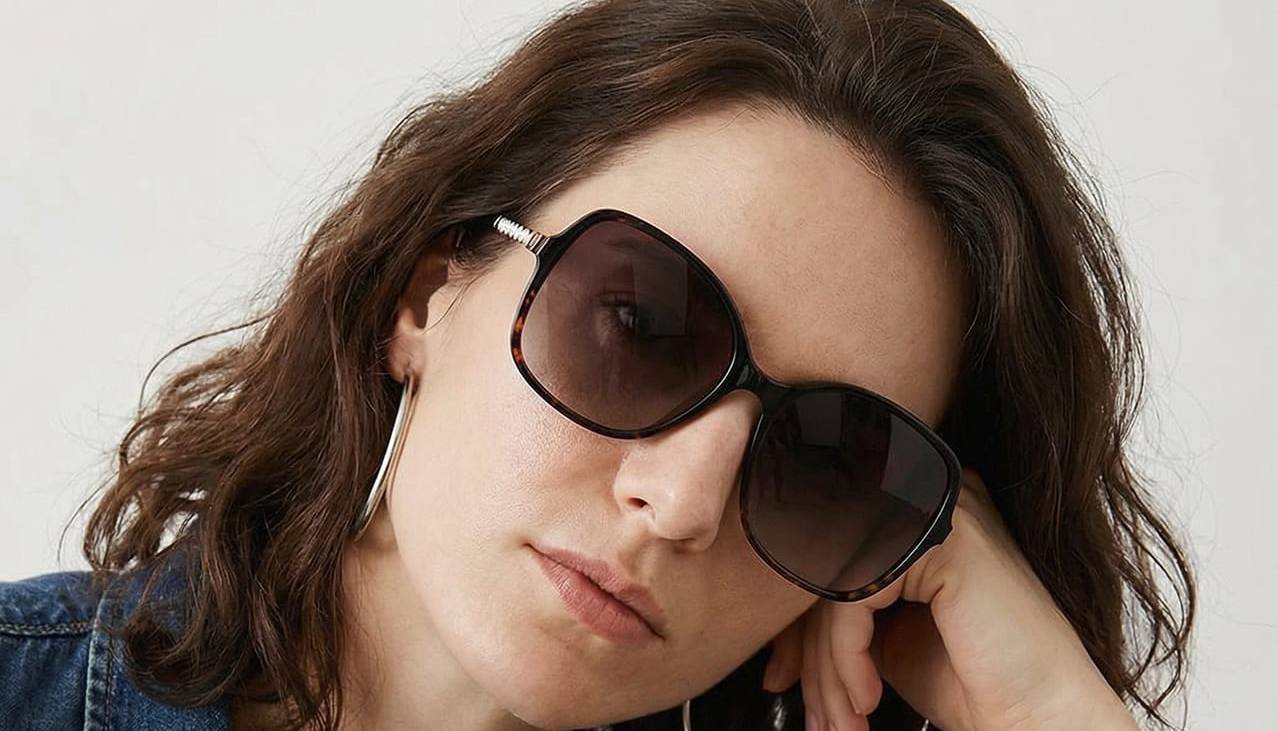
Best sunglasses for women this season center on cat-eye frames. The lifted outer corner flatters most face shapes, and 2026 versions run wider with thinner acetate arms for a cleaner profile. Oversized square and oval frames are also strong, particularly in tortoiseshell, honey amber, and warm brown.
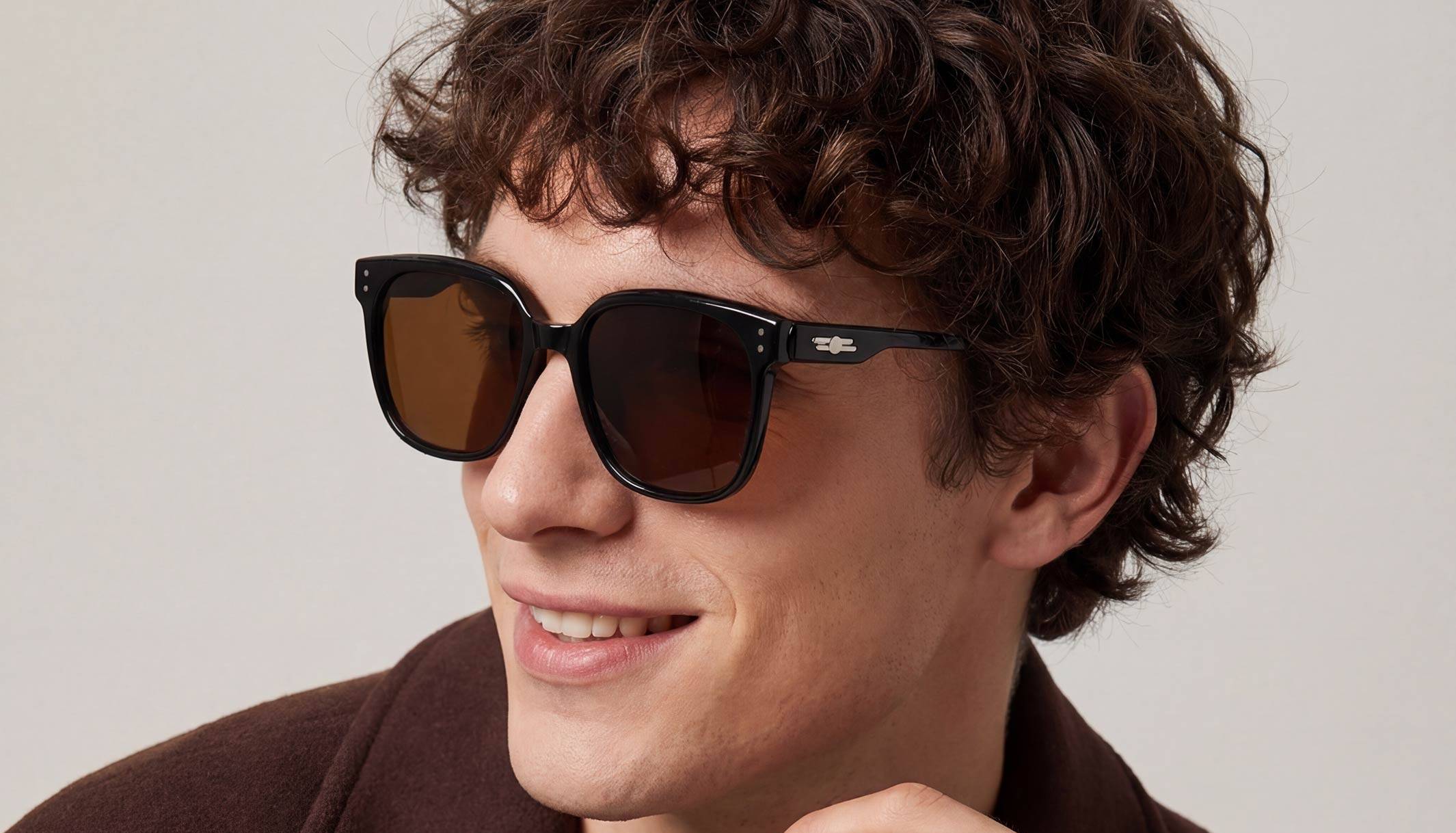
Best sunglasses for men lean toward aviators. The teardrop lens and slim metal bridge work across casual and dressed-up contexts with equal ease. Rectangle frames in matte black or gunmetal offer a sharper alternative for a more structured look.
Across both, mirrored lenses in blue, silver, and green are the standout finish this season.
How to Choose Sunglasses That Flatter Your Face
Frame shape works best when it contrasts with face shape:
● Oval face: Versatile. Aviators, square, and oversized frames all work well.
● Round face: Angular frames (rectangle, square) add definition and offset soft features.
● Square face: Round or oval frames soften a strong jawline and wide forehead.
● Heart face: Cat-eye and round frames balance wider upper features with a narrower chin.
● Long face: Oversized or wide frames add width and interrupt the vertical line.
Frame width matters as much as shape. The outer edge of the frame should align roughly with the widest point of your face. A virtual try-on tool can confirm fit without committing to a purchase.
What Does UV Protection Really Mean?
UV protection in sunglasses refers to the lens's ability to block ultraviolet radiation. The label to look for is UV400, which means the lenses block all UVA and UVB rays up to 400 nanometers, covering the full spectrum of wavelengths most responsible for long-term eye damage.
A widely held misconception: darker lenses do not equal better UV protection. A pale gray lens with UV400 certification protects your eyes more effectively than a very dark lens without it. Tint affects brightness and contrast, not UV defense.
Lens color does affect visual experience:
● Gray: Truest color rendering, ideal for driving and everyday use
● Brown/amber: Enhances contrast, suits variable light conditions
● Green: Good contrast with less color distortion
● Yellow/orange: High contrast in low light, not suited for intense sun
Look for "UV400" or "100% UV protection" on any pair, regardless of price point.

Polarized vs. Non-Polarized Lenses: Which Should You Choose?
UV protection and polarization are not the same thing. UV protection blocks harmful radiation from reaching the eye. Polarization reduces glare from reflective horizontal surfaces: roads, water, car hoods, and wet pavement.
Polarized sunglasses are worth it when:
● You drive regularly, especially in direct sun
● You fish, boat, or spend extended time near water
● You ski or spend time in snow
● You are sensitive to glare or experience frequent eye strain outdoors
Non-polarized lenses with UV400 are the better choice when:
● You need clear visibility of LCD screens (phones, dashboards, ATMs)
● You are a pilot or work with instrument displays
● Your daily environment involves minimal reflective glare
Both types can carry UV400 certification. When shopping for polarized sunglasses, confirm the UV rating separately. Polarization alone does not guarantee UV protection.
Prescription Sunglasses: What to Know Before You Buy
Prescription sunglasses combine vision correction with sun protection in one pair. Key points to confirm when ordering:
Your prescription applies directly.
The same values used for everyday glasses work for prescription sunglasses. Sphere, cylinder, axis, and pupillary distance (PD) transfer across. If your prescription is over two years old, an updated eye exam is worth getting first.
Lens material makes a difference at stronger prescriptions.
Polycarbonate lenses are lightweight and impact-resistant, the standard choice for most powers. High-index lenses are thinner and lighter for corrections above roughly -4.00 or +3.00, and worth the upgrade to keep the frame profile slim and comfortable.
Polarized lenses are fully compatible with prescriptions.
The polarizing filter is embedded during manufacturing and does not affect accuracy. Single vision, progressive, and bifocal prescriptions all work with polarized lenses.
Clip-on sunglasses offer a practical middle ground.
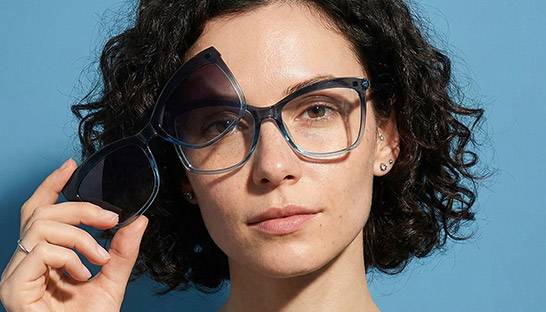
Magnetic or snap-on clip-ons attach over existing frames and give you tinted coverage without maintaining a second prescription pair. Lensmart carries clip-on options alongside its full prescription sunglasses range.
Ordering online is straightforward. Upload or enter your prescription values and PD, choose your frame, and select lens type at checkout.
What Features Make Sunglasses More Comfortable to Wear?
● Frame material: Acetate is lightweight and holds its shape well. TR90 is flexible and durable, suited to active use. Metal frames are slim and adjustable but less forgiving in high-impact situations.
● Nose pads: Adjustable nose pads accommodate a wider range of bridge widths and prevent the frame from sitting too high or low on the nose.
● Spring hinges: Hinges that flex outward reduce pressure at the temples during long wear sessions.
● Lens coatings: Scratch-resistant coating extends lens life. Anti-reflective coating on the back lens surface reduces glare from light bouncing back into your eyes from behind.
● Frame width: Match total frame width to the widest part of your face. A frame too narrow creates pressure; too wide and it slides.
How Do You Pick the Best Sunglasses for Everyday Wear?
The best everyday sunglasses are the ones you wear consistently. A short decision checklist:
1. UV400 certification (the non-negotiable starting point)
2. A frame shape that contrasts with your face shape
3. A lens tint suited to your most common environment (gray for most)
4. A fit that stays in place without pressure points
5. Polarized lenses if you drive often or spend time near water
Price does not determine UV protection. A UV400-certified pair at $30 and one at $300 block the same UV radiation. Spending more typically buys better frame materials, optical clarity, and durability, not stronger eye protection.
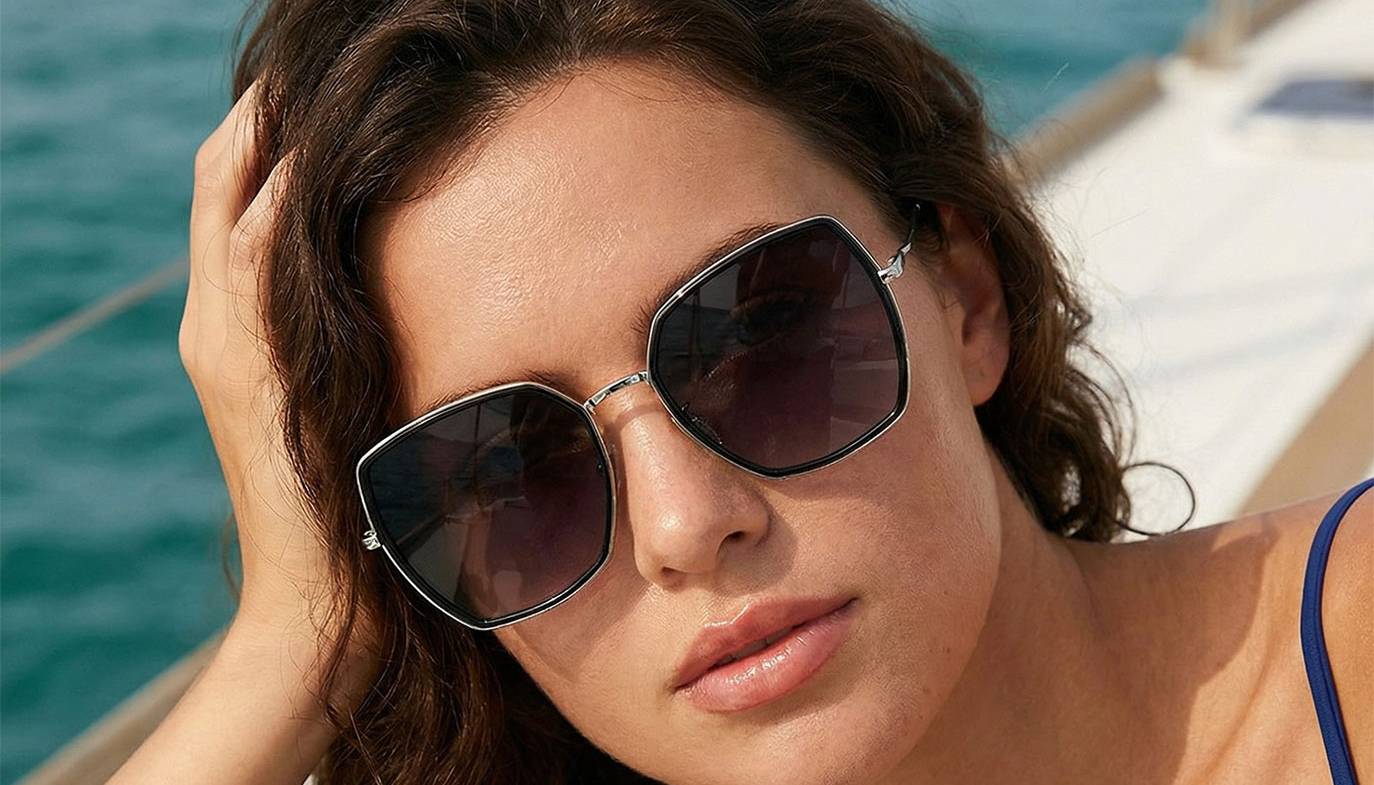
Find Your Summer Pair at Lensmart
Lensmart carries sunglasses across every style and lens type covered in this guide: polarized options, prescription sunglasses in a full range of lens materials and powers, and clip-on alternatives for existing frames. Frames start at under $20, with prescription customization available at checkout. A virtual try-on feature shows how any frame looks on your face ahead of your order. Head to lensmartonline.com to find the right pair for your prescription, face shape, and summer.
FAQs
What does UV400 mean in sunglasses?
UV400 means the lenses block all ultraviolet radiation up to 400 nanometers, covering both UVA and UVB rays completely. It is the highest UV protection standard for sunglasses. Lens color and darkness have no bearing on UV protection level.
Are polarized sunglasses worth it?
Polarized sunglasses are worth it for anyone who drives regularly, spends time near water, or deals with frequent glare-related eye strain. They filter reflected horizontal light from roads, water, and wet surfaces, reducing squinting and fatigue.
Can I use my regular prescription for sunglasses?
Yes. The same prescription values from your everyday glasses apply directly to prescription sunglasses. You will need sphere, cylinder, axis, and pupillary distance (PD) when ordering.
What sunglasses are best for my face shape?
Round and oval frames work best for square faces. Angular rectangle or square frames suit round faces. Aviators and oversized styles are the most versatile fit for oval faces. Cat-eye and round frames balance heart-shaped faces. Wide frames help add visual width to longer faces.
Do expensive sunglasses protect your eyes better?
No. UV protection is determined by the lens material and coating, not price. A UV400-certified pair at any price point provides the same level of UV defense as a luxury pair with the same rating. Higher-cost sunglasses typically offer better frame materials, lens clarity, and optical coatings, advantages in comfort and durability, not in UV protection.